Clean water
Where communities do not already have reliable access to clean water, we want to help support wells and other clean-water projects that can serve an entire community.

Reciprocity is at the heart of Libélula.
We were lucky enough to find this land, to work alongside people who carry knowledge that has been passed down through generations, and to build something that we hope will become much bigger than the retreat centre itself.
We don’t want the benefits of Libélula to stop with the people who come here.
As we grow, we want more and more of what is created here to flow back into the land, the people and the communities around us.
20%of Libélula’s profits will be given back to charitable work and community and environmental projects.
Some of these projects are already underway. Others are being developed now, and will grow alongside Libélula.
Explore the projects
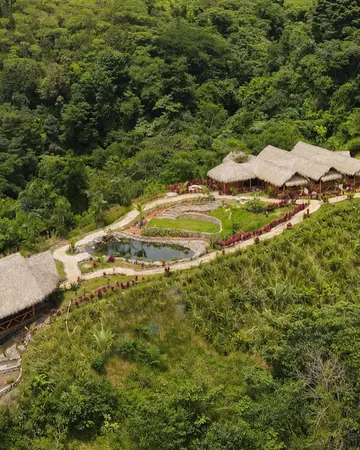
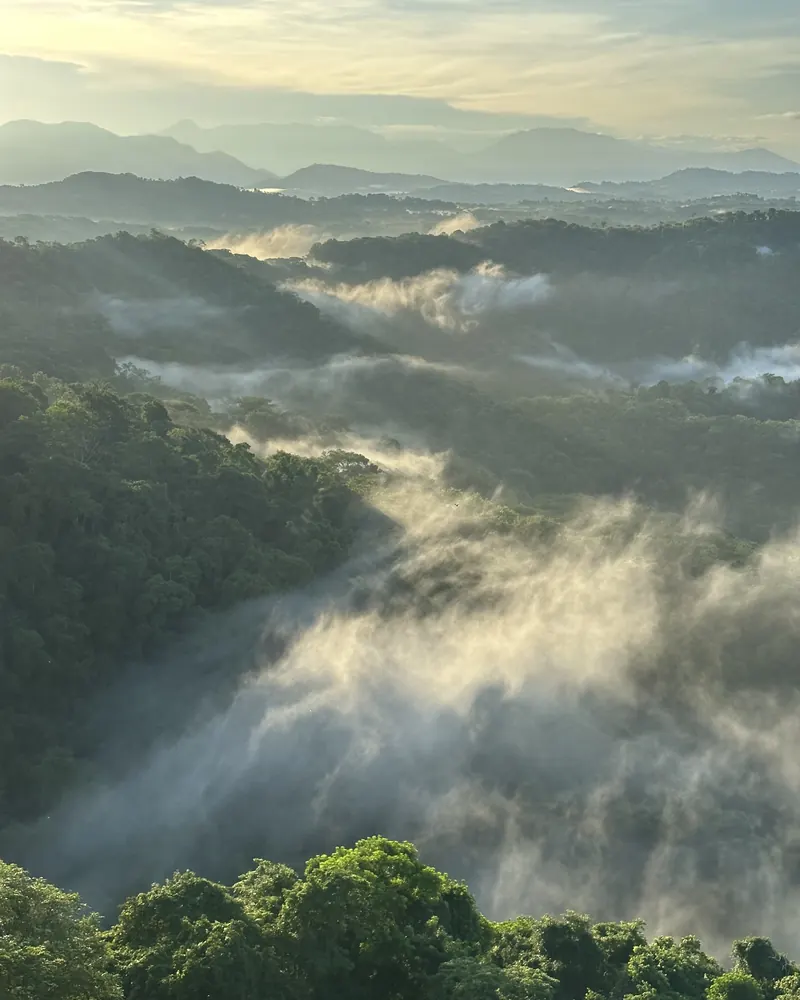
The rainforest is one of the biggest reasons Libélula exists.
We want to protect it, not simply enjoy it.
Around 30 hectares of the 46-hectare property will be protected as part of our long-term vision, with further areas of reforestation planned for land that is not currently forested.
We will also be planting trees, creating habitat for wildlife and developing regenerative ways of growing food.
Our hope is simple: as Libélula grows, the protected and restored land grows with it.
This is one of the things closest to our hearts, and something we hope will continue far beyond the first years of Libélula.
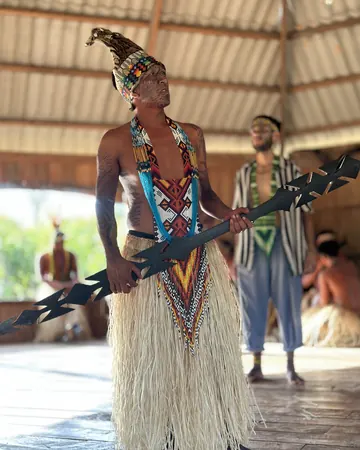
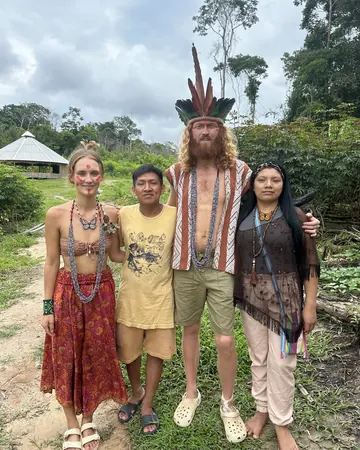
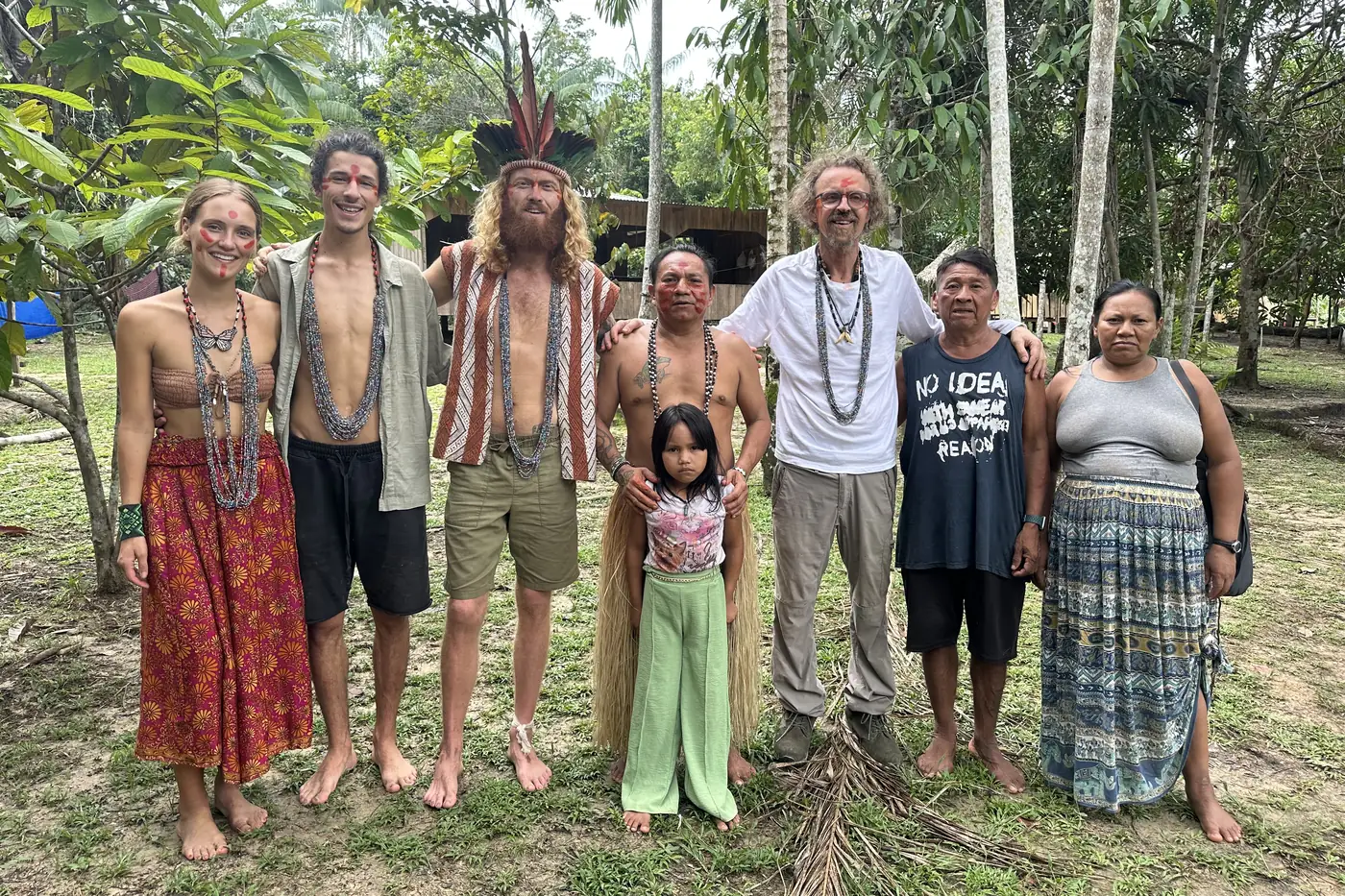
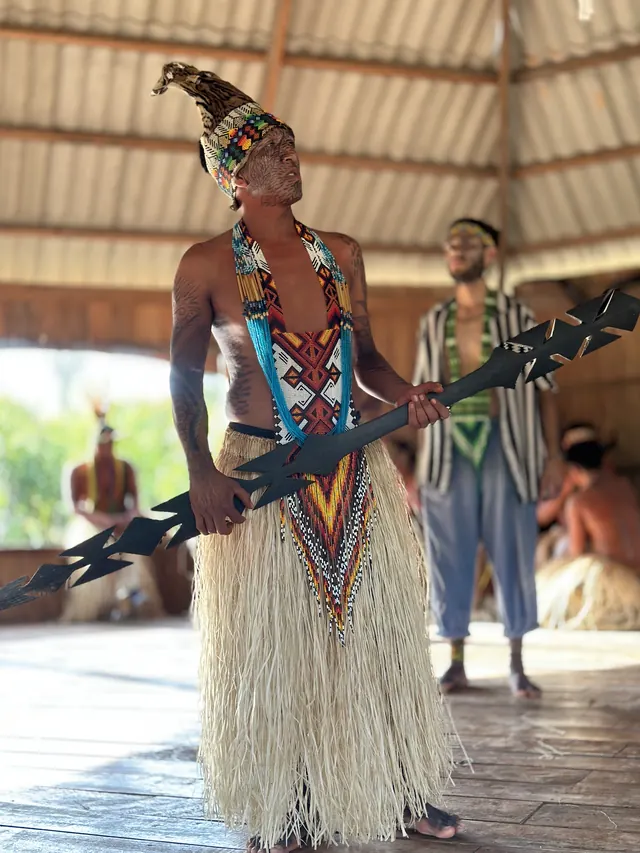
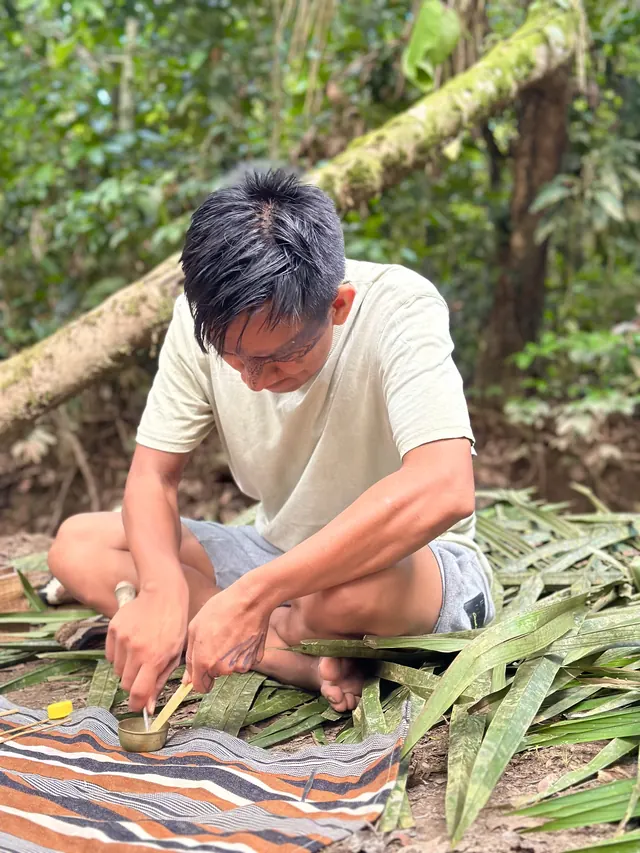
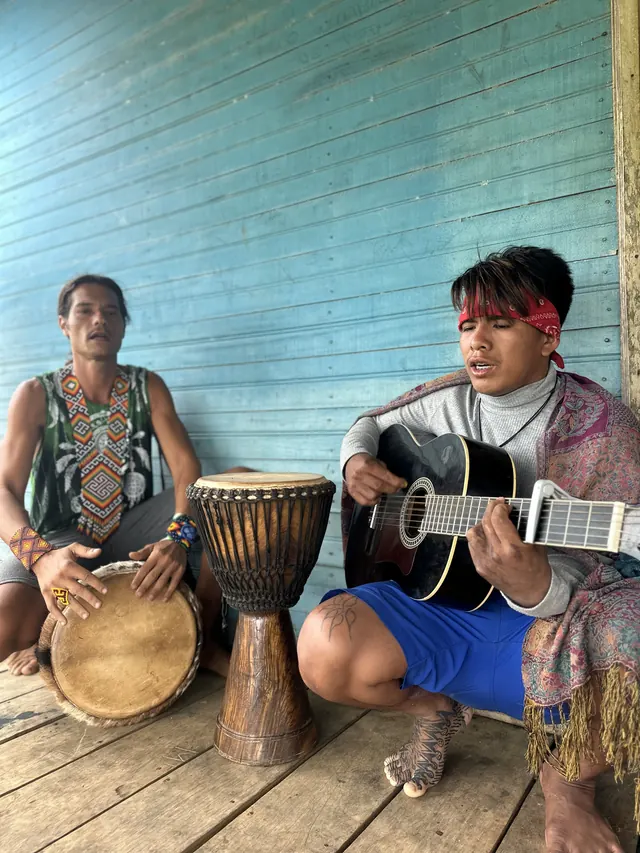
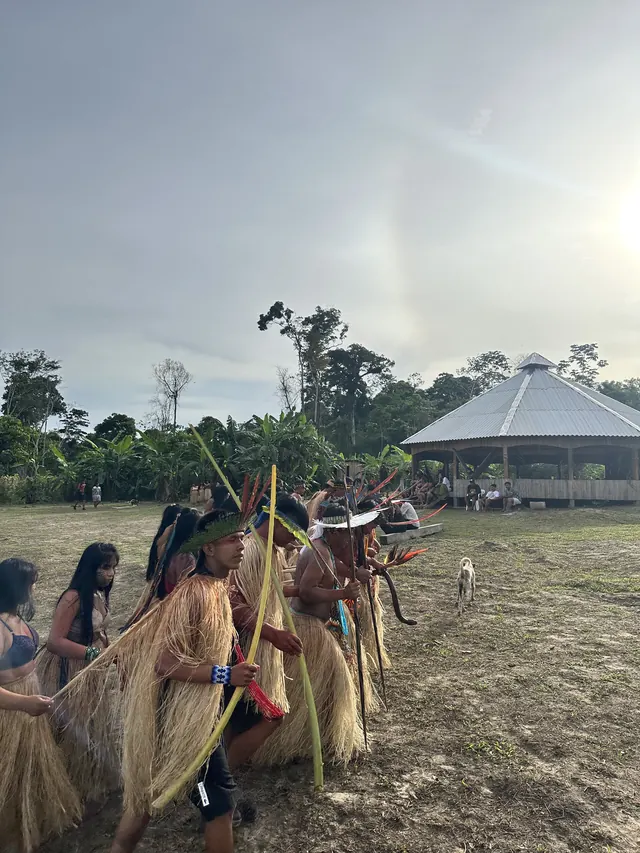
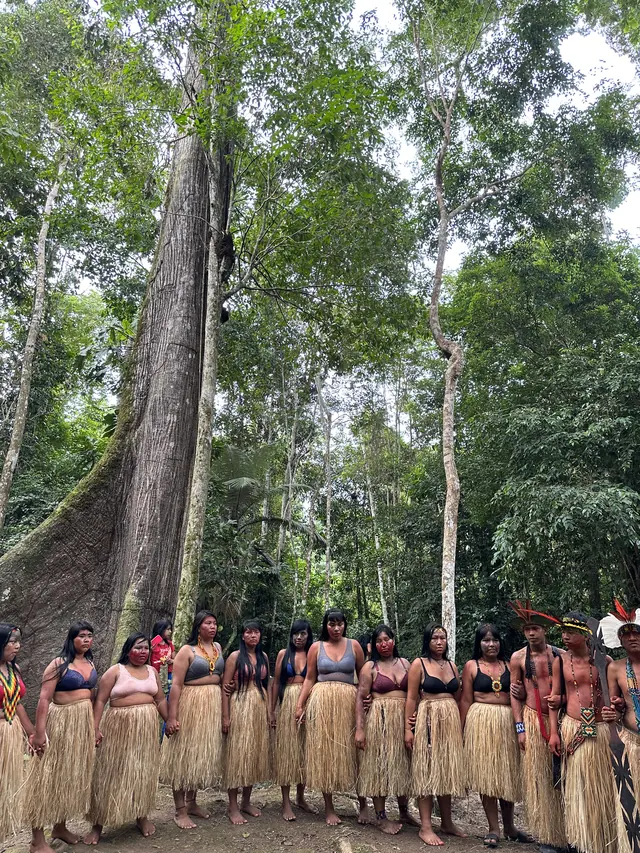
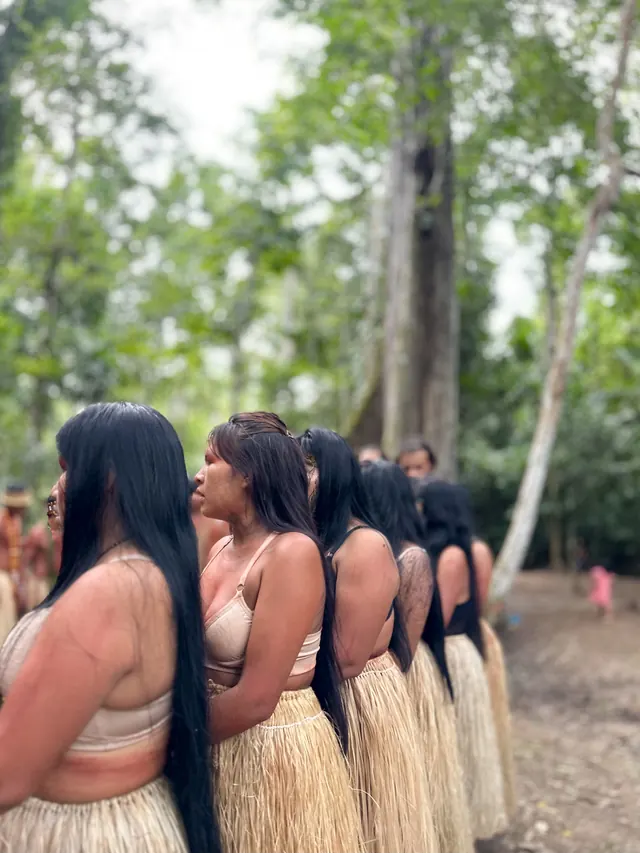
We are deeply grateful for the Indigenous families and wisdom keepers who share their knowledge, traditions and time with us.
For us, reciprocity means more than paying someone for their work.
It means asking what is actually useful to the community and supporting projects that can benefit many people, rather than only the individuals who travel to work with us.
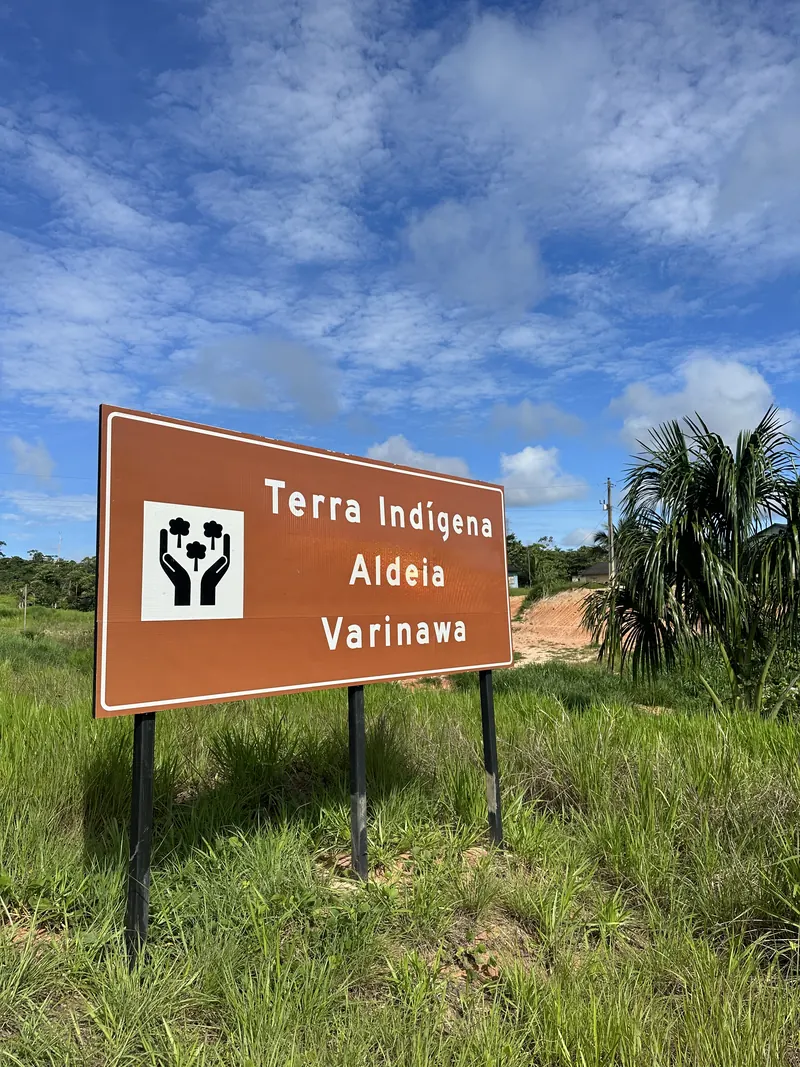
We are developing long-term projects with Indigenous communities we work alongside, with a particular focus on things that can create lasting benefit within their villages.
Where communities do not already have reliable access to clean water, we want to help support wells and other clean-water projects that can serve an entire community.
We want to support spaces where Indigenous knowledge, language, stories and teachings can continue to be shared with younger generations.
We are also interested in supporting food-growing projects and permaculture within communities, helping to strengthen food sovereignty and revive practical knowledge around growing and cultivating food.
These projects are still developing, and we want to build them carefully and in conversation with the communities themselves.
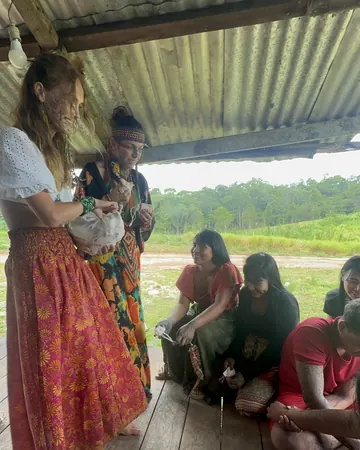
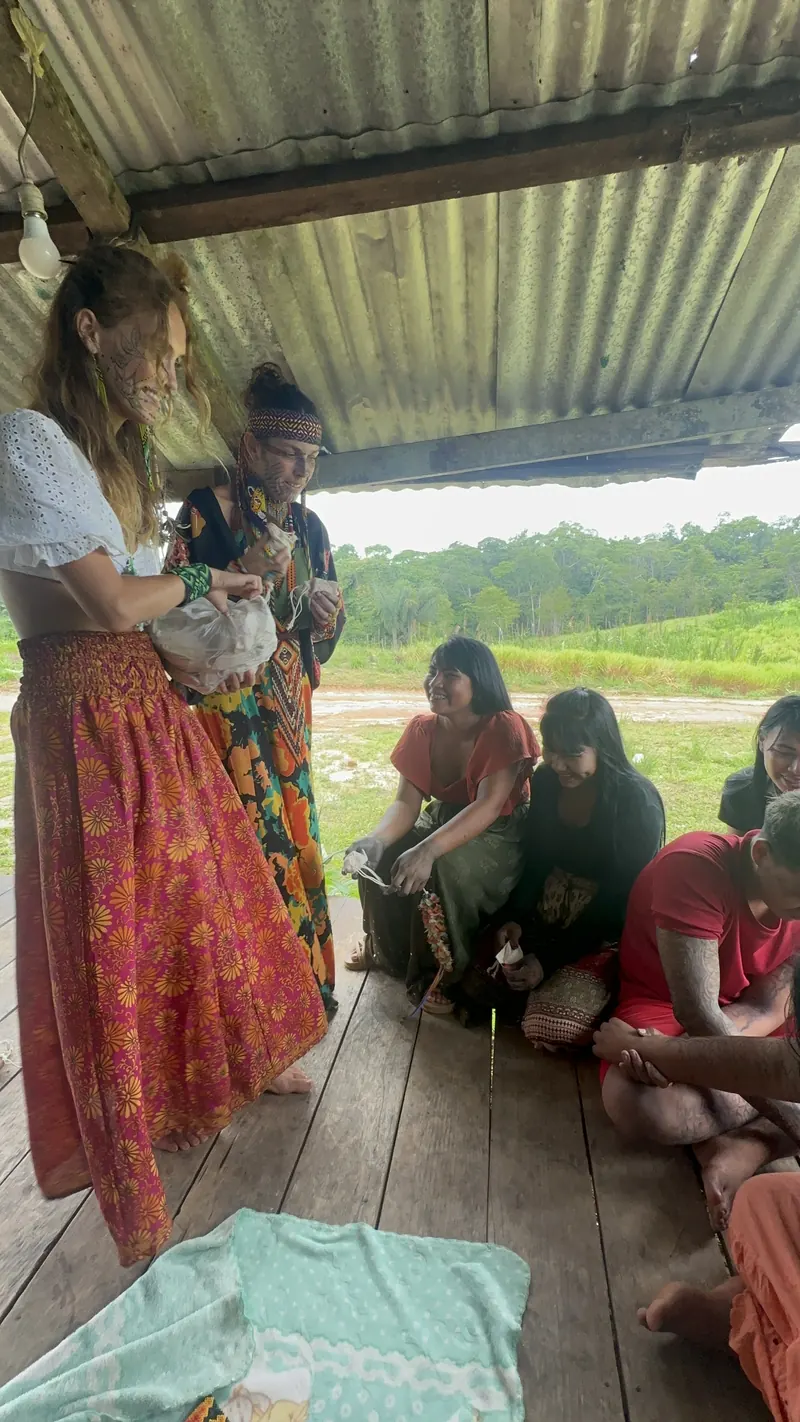
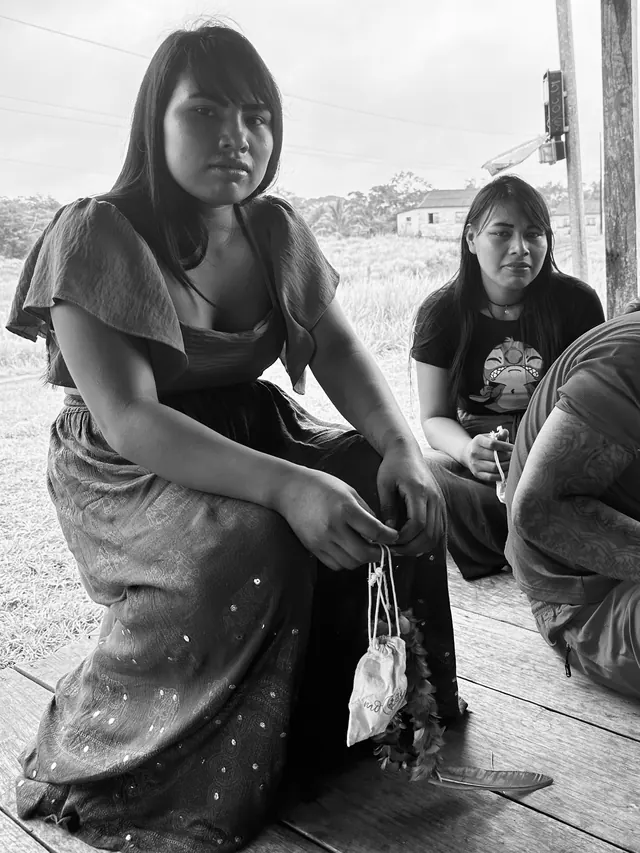
One of the first projects we began was providing reusable menstrual cups and sustainable menstrual products to women and girls who might not otherwise have access to them.
Our first donations were made to Indigenous women from the Noke Koi and Yawanawa communities in Brazil. We have also donated menstrual cups to an orphanage in Mexico.
A reusable menstrual cup can last for many years, making it a simple way to reduce the amount of disposable menstrual waste entering the environment.
But the project is about more than the product itself.
When we make donations, we take the time to share information about how the cups work, how to use them safely and why reusable menstrual products can be beneficial for both women and the environment.
We hope to continue expanding this work, supporting more women and introducing other practical products and resources where they are genuinely useful.
For us, there is something beautiful about reconnecting with a more natural relationship with the menstrual cycle, while also reducing the amount of waste being left behind in communities where waste collection can already be difficult.
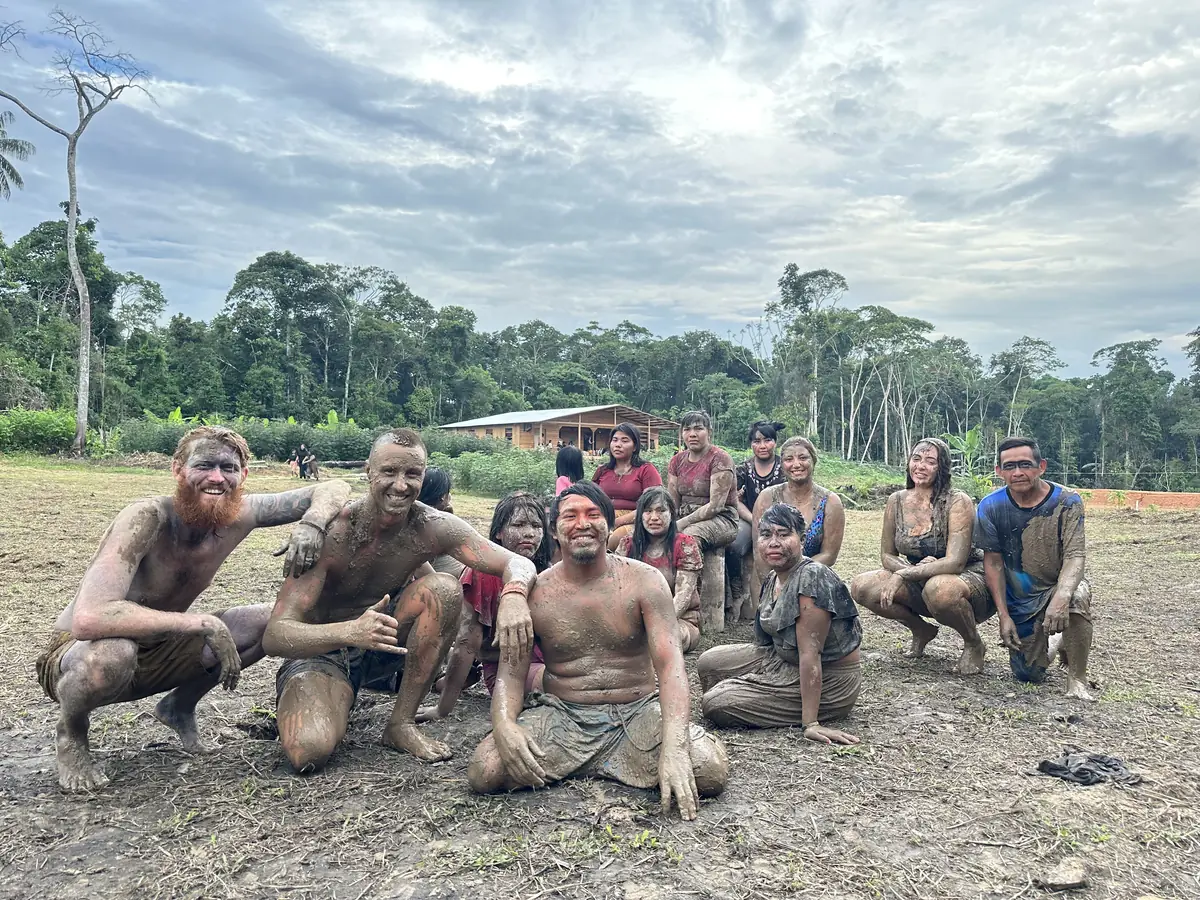
Healing shouldn’t only be available to those who can afford it.
We believe that access to a retreat shouldn’t depend entirely on someone’s financial circumstances.
Every Libélula retreat will include a place for someone who feels deeply called to be here but could not otherwise afford the experience.
People will be able to apply and tell us why they feel called to come, and each application will be considered individually.
We also plan to run fully donation-based retreats throughout the year, made possible by those who have the abundance to contribute more.
This is something we feel very strongly about.
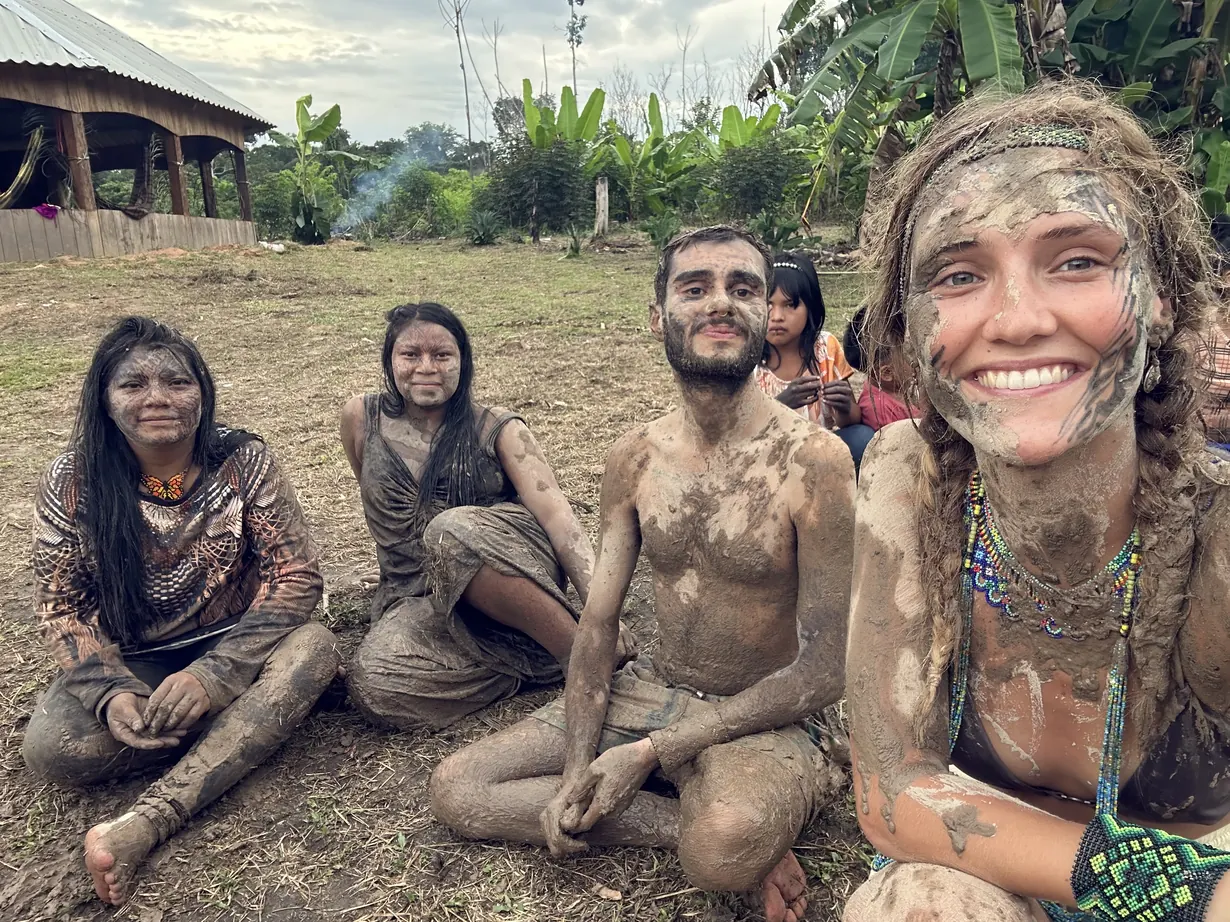
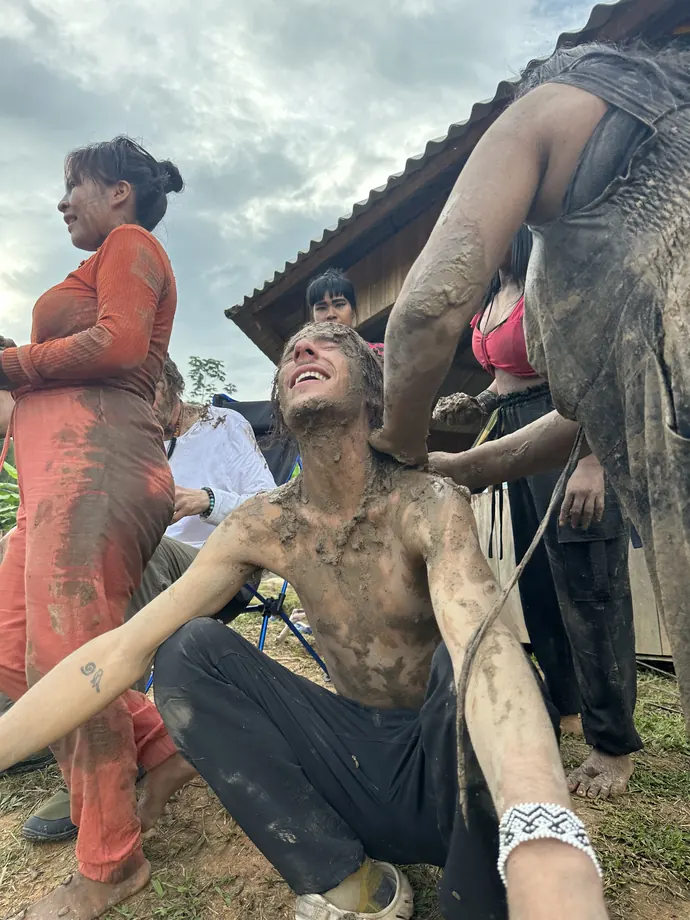
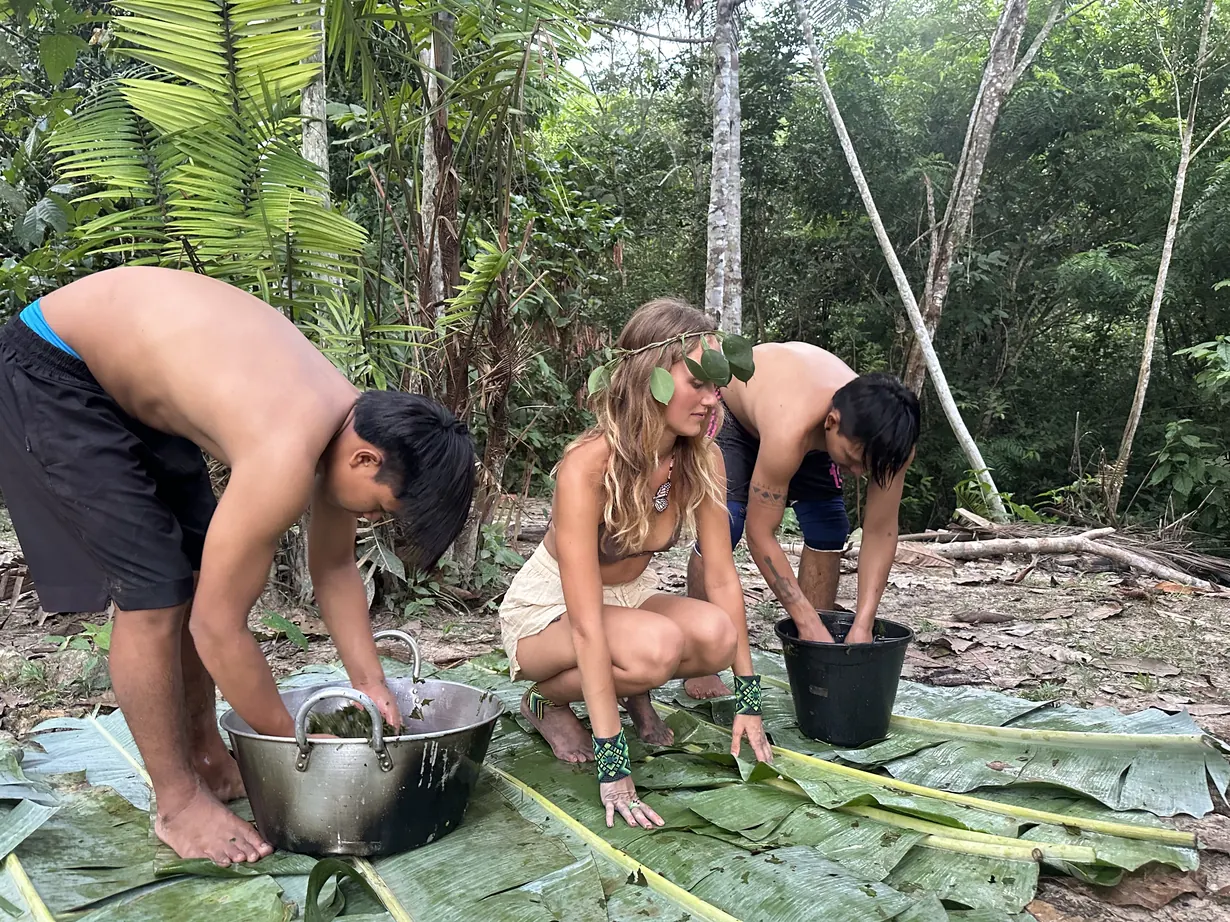
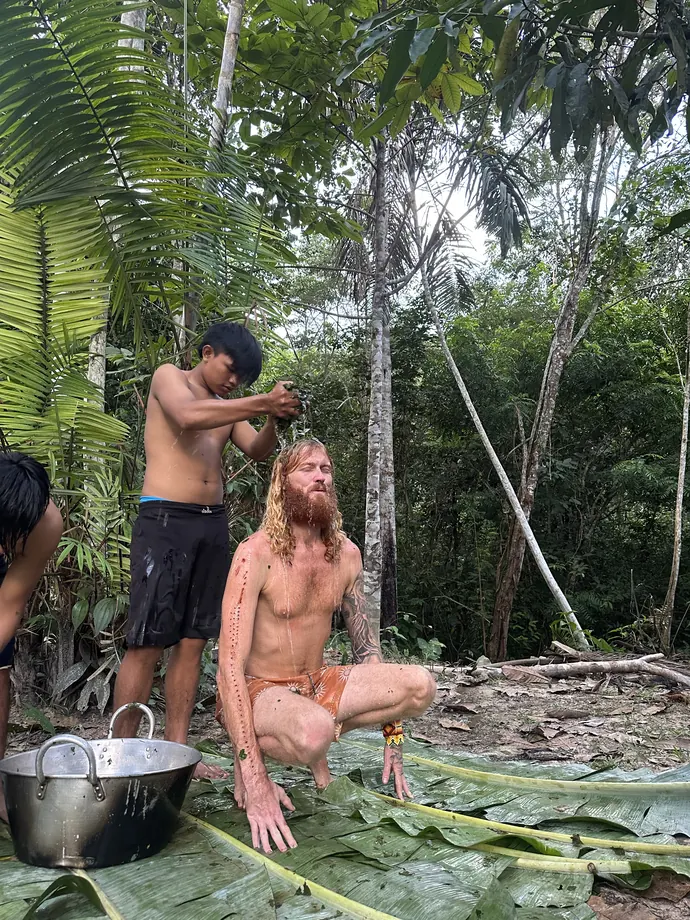
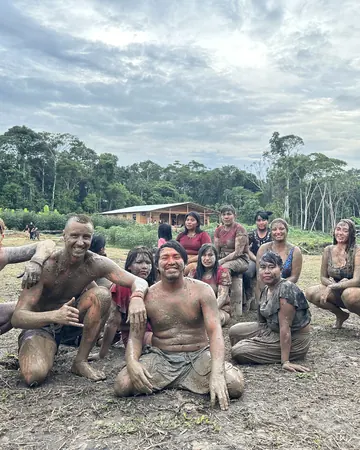
This year, members of the Libélula team will be travelling to the Amazon to spend deeper time with Huni Kuin families we have built close relationships with.
We are currently exploring what our first community project together will look like.
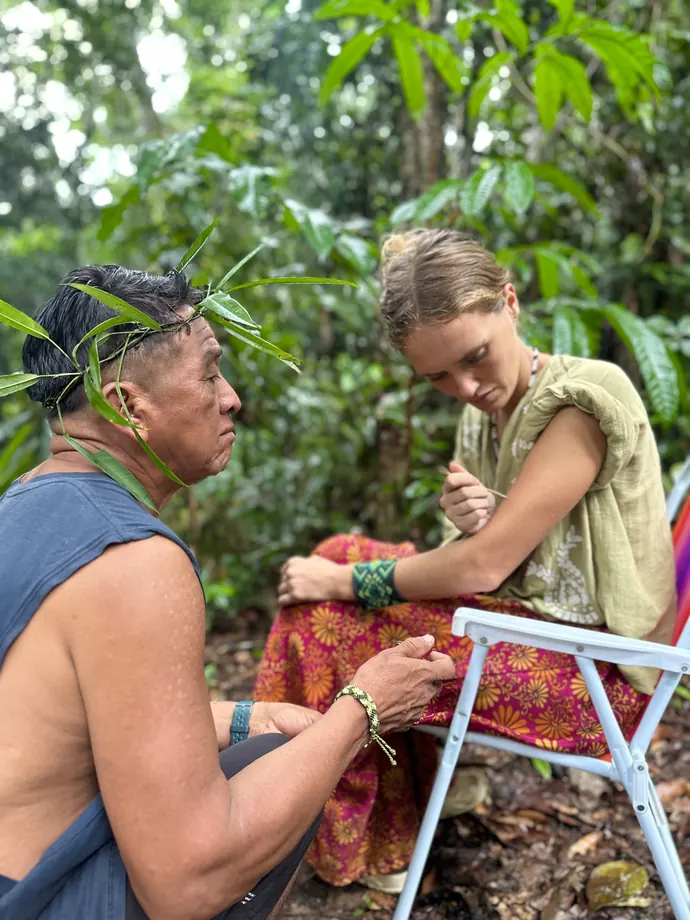
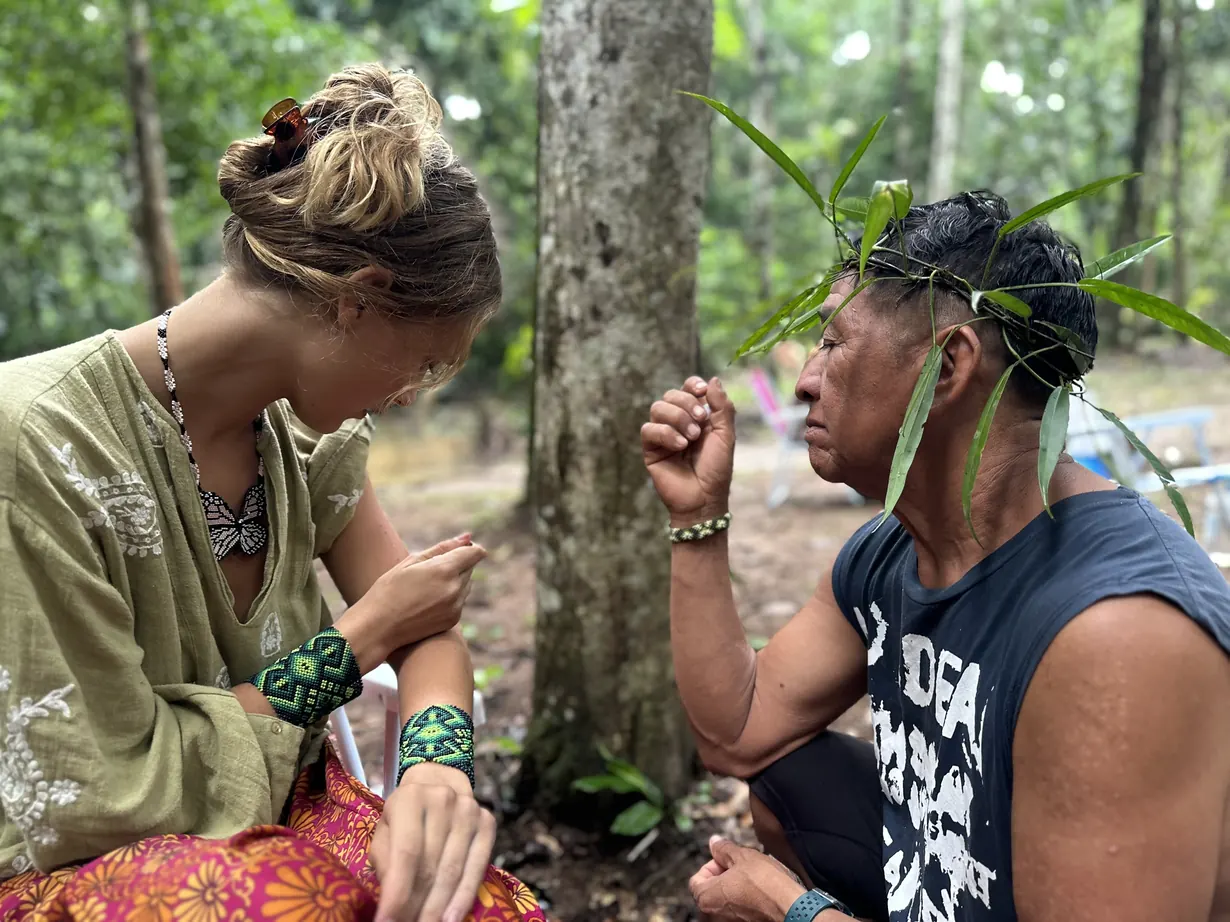
We don’t want to arrive with a list of things we think a community needs.
We want to listen first.
The project may involve clean water, food growing, education, cultural preservation or something completely different that the community itself identifies as important.
That is part of what reciprocity means to us.
It isn’t about deciding what we can give and arriving with it. It’s about listening, building relationships and finding ways to create something that is genuinely useful.
More details about these projects will be shared as they develop.
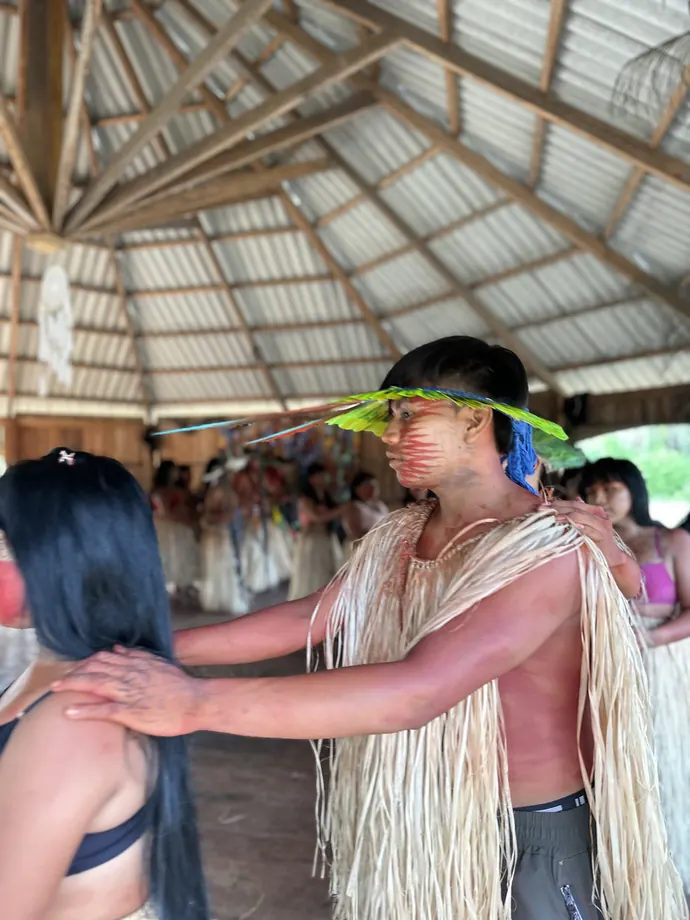
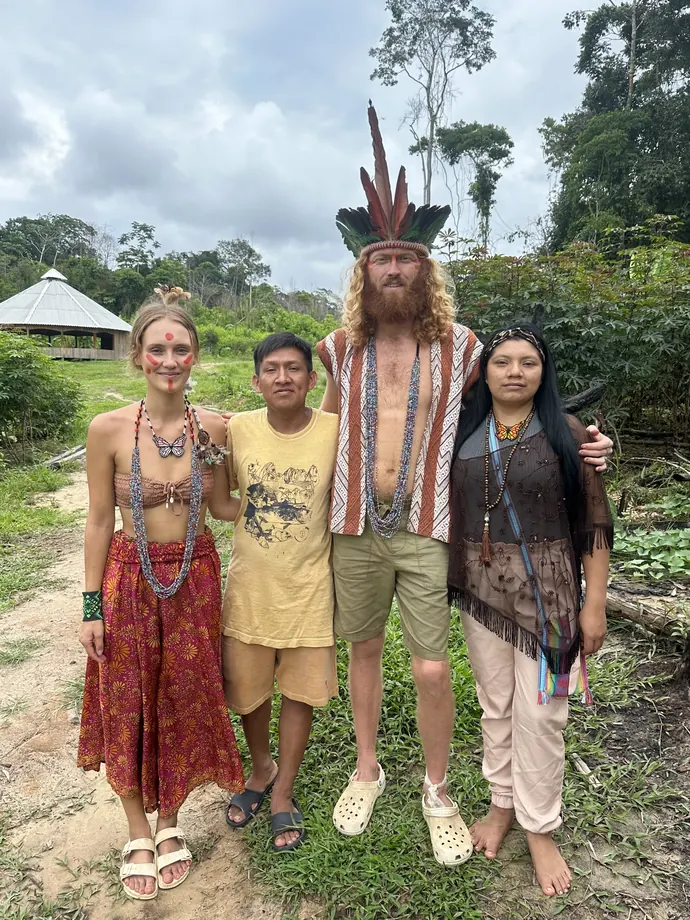
As the retreat centre grows, we want the circle around it to grow too: protecting more land, supporting more communities, creating more opportunities for people to experience the work, and contributing to projects that leave something behind.
We have big dreams for what this can become.
And we’re only just beginning.